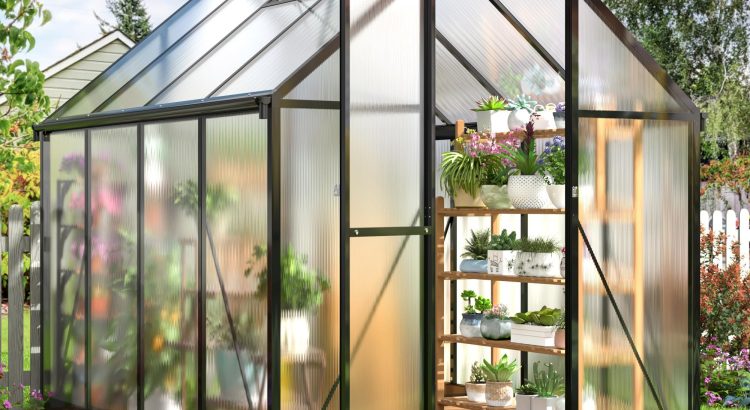

Greenhouses are much more than simple structures that house plants. With the growing interest in sustainable farming and home gardening, greenhouses have become essential tools for cultivating various crops year-round. However, not all greenhouses are created equally. Choosing a greenhouse built for long-term use can save time, money, and hassle while improving yield and sustainability. This blog explores the benefits of investing in durable and well-constructed greenhouses, particularly for avid gardeners and commercial growers alike.
Prolonged Durability Translates to Cost Efficiency
Choosing a greenhouse built with long-term use in mind ensures you get the most value for your investment. Several studies highlight the advantages of investing in high-quality construction materials. For instance, research shows that greenhouses made with galvanized steel or aluminum frames last significantly longer compared to wood or lightweight plastic options.
Longevity yields cost savings by eliminating the need for frequent repairs or replacements. Instead of paying for several short-term solutions over a decade, a single, well-constructed greenhouse can reduce total expenses. This is particularly beneficial for commercial farmers who rely heavily on equipment durability to maintain profits.
Consistent Growing Conditions All Year
Greenhouses built for the long haul are more effective at maintaining consistent internal climates. They are designed to withstand seasonal weather changes, offering significant protection against wind, rain, snow, and extreme sun. Materials such as tempered glass or high-grade polycarbonate are particularly popular for their insulating properties, helping greenhouses maintain optimum temperatures and humidity levels.
Data points to increases in harvest yield with more stable environmental controls. Studies show that plants grown in steady climates have up to 35% higher productivity than those exposed to fluctuation. Whether producing flowers, vegetables, or perennials, a high-quality greenhouse creates a sanctuary where crops thrive year-round.
High Resistance to Weather Hazards
One of the most pressing concerns for greenhouse owners is exposure to harsh elements like storms, hail, or heavy snowfall. Well-built greenhouses rise to this challenge. Investing in structures designed for long-term use ensures they are made with weather-resistant technology.
Many modern greenhouses are tested for wind speeds reaching up to 90 mph or snow loads exceeding 50 pounds per square foot. Opting for such durability provides peace of mind that your crops and investment are well-protected, even in unexpected conditions.
Energy Efficiency and Reduced Operational Costs
High-quality greenhouses also boast better energy efficiency compared to cheaper alternatives. Designs often include double-layer walls or advanced glazing to reduce heat loss, lowering energy costs substantially. For example, studies have shown greenhouses equipped with energy-saving features can reduce overall heating demands by up to 30%.
By using less energy to maintain ideal growing conditions, operators save money while contributing to environmental sustainability. Additionally, the use of energy-efficient greenhouses aligns with global efforts to combat climate change through reduced carbon footprints.
Environmentally Friendly Material Choices
Modern greenhouses are increasingly adopting materials that pair durability with sustainability. Polycarbonate panels, thermoplastics, and recycled metals are widely incorporated without compromising quality. These materials are designed to last, minimizing waste generated from worn-out components. Furthermore, UV-coated materials help manage light transmission effectively while extending structural lifespan.
Adopting a greenhouse built for lasting use not only means conserving resources but also reducing the environmental impact associated with production and disposal.