

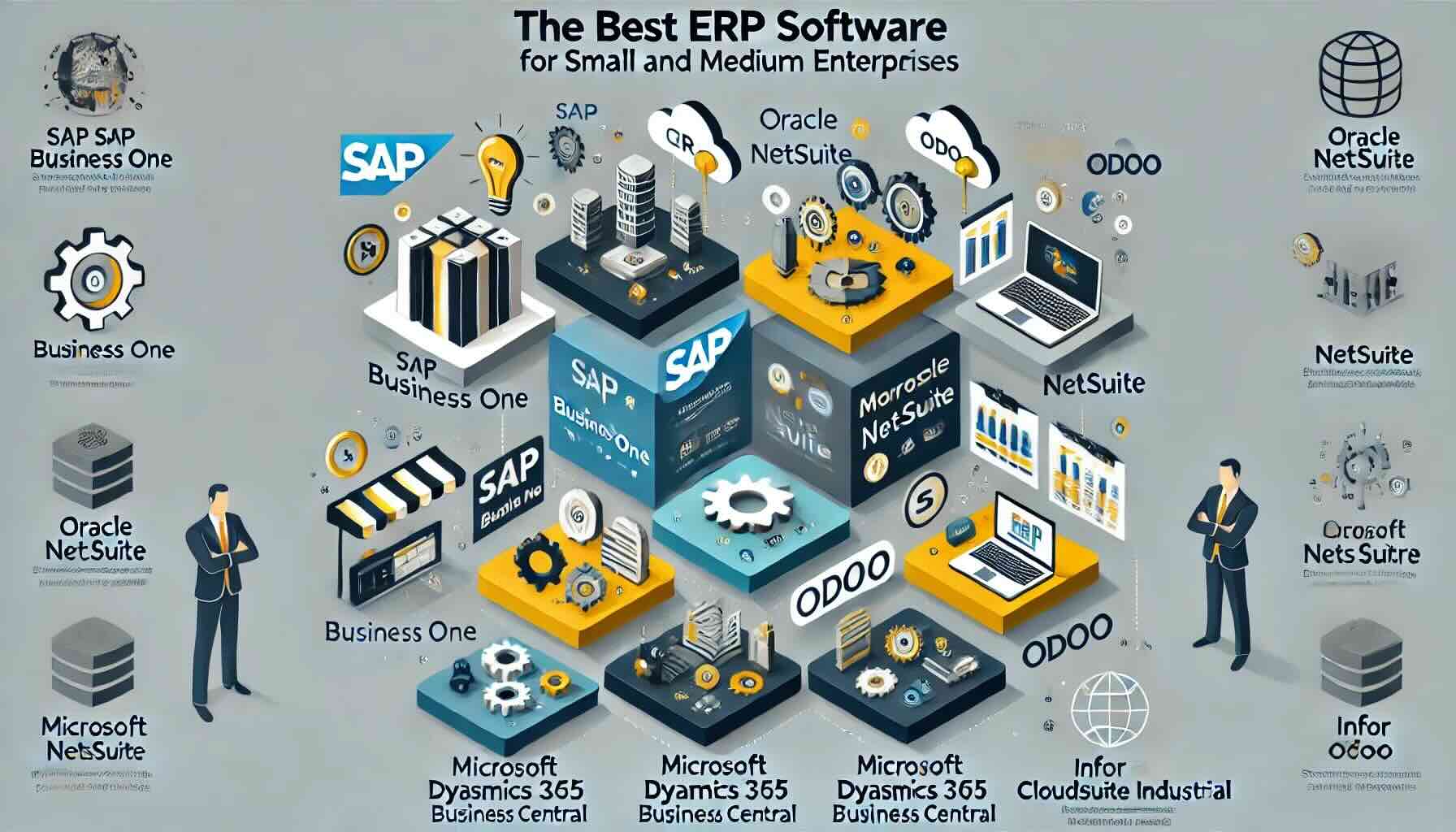
In today’s digital business landscape, Enterprise Resource Planning (ERP) and Inventory Management Systems (IMS) are no longer luxury technologies—they have become essential tools for growth, efficiency, decision-making, and customer satisfaction. However, the needs of small and medium-sized enterprises (SMEs) differ significantly from those of large organisations. Choosing the right solution depends on scale, complexity, processes, and strategic goals.
This article compares the strengths of IMS/ERP solutions for SMEs versus large enterprises and explores what works best for each business category.
Understanding the Needs of SMEs
SMEs often look for systems that deliver efficiency without overwhelming complexity. Their primary goals include streamlining daily operations, improving stock accuracy, automating manual tasks, and gaining visibility across departments.
For SMEs, the best IMS/ERP systems typically offer:
- Simple implementation and onboarding
- Affordable subscription pricing models
- Easy-to-use interfaces with minimal training needs
- Scalability as the business grows
- Flexible integrations with accounting, e-commerce, or CRM platforms
Cloud-based ERP solutions are especially popular with SMEs because they avoid the need for on-site infrastructure and allow fast deployment. Many small businesses benefit from modular systems, which can enable only the features necessary at their stage of growth.
What Works Best for SMEs?
SMEs thrive with solutions that prioritise:
1. Quick Deployment
Systems with pre-built templates, workflows, and plug-and-play integrations reduce the need for lengthy development.
2. Cost Predictability
Subscription pricing helps smaller companies’ budget accurately without hidden maintenance charges.
3. Ease of Configuration
SMEs typically operate without large IT teams, so user-friendly setup and ongoing support are critical.
4. Automation for Repetitive Tasks
Stock reconciliation, purchase orders, invoices, and fulfilment automation free teams for higher-strategic tasks.
In short, SMEs need lightweight yet powerful systems that enhance efficiency without disrupting operations.
Large Enterprises Have Different ERP Priorities
Large organisations operate across multiple departments, channels, warehouses, or even countries. Their ERP requirements revolve around centralisation, standardisation, compliance, and analytics at scale.
They benefit most from ERP systems that offer:
- Highly customisable modules
- Deep automation and AI-driven insights
- Data governance and cross-department reporting
- Multi-site synchronisation
- Advanced workflow and approval structures
- Integration with numerous legacy applications
Large enterprises also need robust support during migration, change management, and ongoing optimisation—tasks often requiring expert consulting partnerships.
What Works Best for Large Enterprises?
1. Heavily Customisable Platforms
Systems capable of embedding complex workflows, multinational operations, and compliance frameworks.
2. Advanced Automation and Analytics
Predictive planning, demand forecasting, and real-time supply chain intelligence help optimise performance.
3. Stronger Governance and Security Layers
Role-based access, workflow approvals, and audit histories reduce risk and increase transparency.
These solutions often require longer implementation periods, dedicated IT teams, and change management processes—but the outcome is strategic alignment across the organisation.
Conclusion
While SMEs thrive on fast, intuitive, scalable ERP platforms, large enterprises demand high-customisation solutions built for complexity and global management.
The best approach is simple: businesses should evaluate their goals, technical capacity, budget, and growth roadmap before choosing an IMS/ERP system. The right system is not the most expensive or feature-rich one—it is the one that aligns with how the organisation operates today and where it intends to go tomorrow.


